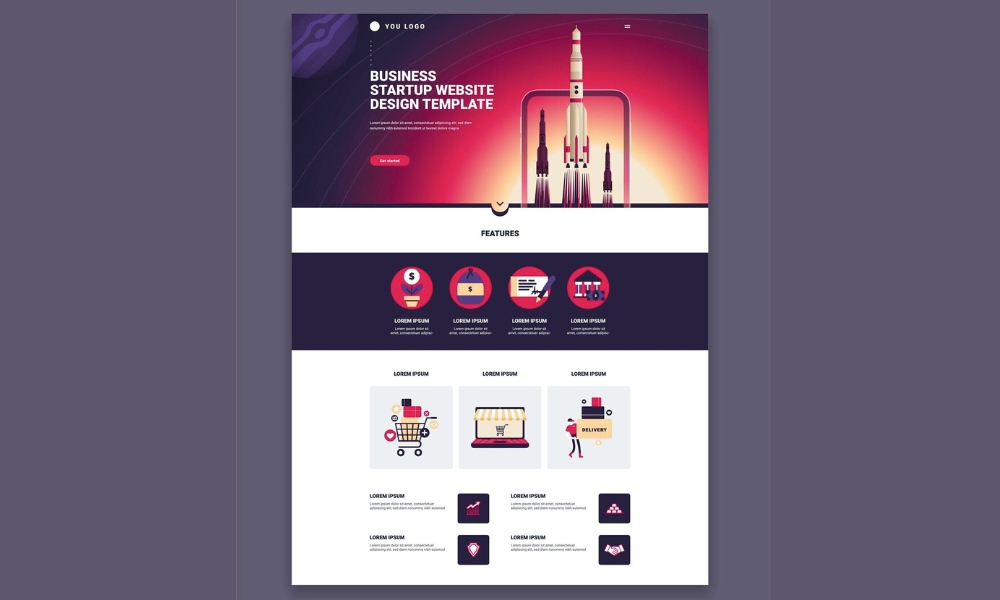
One-page websites have become a popular choice for small businesses, freelancers, and local service providers. They offer a clean, focused way to present information without overwhelming visitors. However, simplicity only works when the right elements are included.
A perfect one-page website is not about adding more content. It is about including the right content in the right order.
The Problem With Incomplete One-Page Websites
Many one-page websites fail because they leave out critical information. Visitors scroll but never fully understand what the business offers or how to take the next step.
Common mistakes include:
-
Unclear messaging
-
Missing trust signals
-
Hard-to-find contact details
When these elements are missing, visitors lose confidence and leave.
A Clear and Strong Opening Section
The top of your one-page website sets expectations immediately. Visitors should understand who you are, what you do, and who you serve within seconds.
This section should include:
-
A clear headline explaining your service
-
A short supporting message
-
A simple call to action
This helps visitors stay engaged and continue scrolling.
A Focused Services Section

Your services section should explain what you offer in simple terms. Avoid long explanations or technical language.
A strong services section:
-
Lists core services clearly
-
Explains benefits, not just features
-
Helps visitors quickly decide if you are a good fit
Clarity here reduces confusion and builds interest.
Trust-Building Elements That Matter
Trust is essential, especially for small businesses. Visitors need reassurance before reaching out.
Effective trust elements include:
-
Brief testimonials or reviews
-
Years of experience or credentials
-
Simple statements about reliability or service quality
These details help visitors feel comfortable contacting you.
Clear and Easy Contact Information
A one-page website should make it easy for visitors to get in touch without searching. Your contact section should be visible and straightforward.
It should include:
-
A contact form or email address
-
Phone number if applicable
-
Location or service area for local businesses
The easier it is to contact you, the higher the chance of inquiries.
Mobile-Friendly and Easy to Navigate
Most visitors will view your website on a mobile device. A perfect one-page website must load quickly and scroll smoothly.
Good one-page navigation includes:
-
Clear section links
-
Logical content flow
-
Readable text on all screen sizes
This improves usability and overall experience.
The Business Value of a Well-Built One-Page Website
When all essential elements are included, a one-page website becomes a powerful business tool. It communicates clearly, builds trust, and supports customer action without unnecessary complexity.
For small businesses, freelancers, and local services, a well-structured one-page website provides everything needed to establish a strong and professional online presence.
Frequently Asked Questions
1. What is the most important part of a one-page website?
The opening section is the most important because it quickly explains what the business does and encourages visitors to keep scrolling.
2. Can a one-page website include enough information?
Yes, a one-page website can include all essential information when content is clear, focused, and well-organized.
3. Are one-page websites good for small businesses?
One-page websites are ideal for small businesses that want a simple, clear, and easy-to-manage online presence.
4. How do one-page websites help with conversions?
They guide visitors through a single flow, reducing distractions and making it easier to take action.
5. Should a one-page website be mobile-friendly?
Yes, mobile-friendliness is essential because most users access websites on mobile devices.