
When building a website for a small business, one of the first decisions is structure. Should everything live on a single page, or should content be divided across multiple pages? The answer depends on your goals, content, and how customers interact with your business.
Understanding the strengths of each option helps you make a smarter choice without overcomplicating things.
Keeping Things Simple but Effective
Small business owners and freelancers often want a website that is easy to manage and quick to understand. At the same time, they need enough space to explain services clearly and build trust.
Choosing the wrong structure can lead to:
-
Confused visitors
-
Missed search visibility
-
Information overload or lack of detail
The goal is balance, not complexity.
When a One-Page Website Makes Sense
A one-page website places all content on a single scrolling page. It works best when the message is simple and focused.
A one-page site can be a good fit if:
-
You offer one main service
-
You want a clear, guided user experience
-
You need a straightforward online presence
One-page websites are easy to navigate and work well on mobile devices. They help visitors quickly understand who you are and how to contact you.
When a Multi-Page Website Is the Better Choice
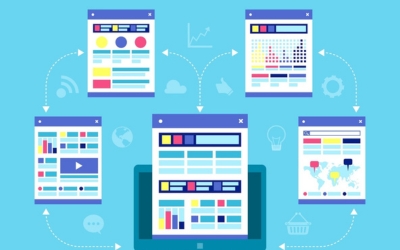
A multi-page website separates content into dedicated sections such as services, about, and contact pages. This structure supports more detailed information.
A multi-page site is often better when:
-
You offer multiple services
-
You want to improve search visibility
-
You need space for detailed explanations
Multiple pages allow each topic to stand on its own, making it easier for both users and search engines to understand your business.
Website Structure and Business Value
Your website structure affects how customers perceive your business. A clear structure builds confidence and helps visitors find what they need without frustration.
Both one-page and multi-page websites can be effective when they:
-
Load quickly
-
Are easy to navigate
-
Present information clearly
-
Work well on mobile devices
The key is choosing the structure that supports your content, not forcing content into the wrong format.
Making the Right Choice for Your Business

There is no one-size-fits-all answer. A one-page website can be a strong starting point, while a multi-page website may support growth over time.
What matters most is having a website that communicates clearly, supports your goals, and provides a reliable place for customers to learn about your business.
Frequently Asked Questions
1. What is the main difference between a one-page and multi-page website?
A one-page website displays all content on a single page, while a multi-page website separates content across multiple pages.
2. Is a one-page website good for small businesses?
Yes, a one-page website works well for small businesses with a simple message or a single main service.
3. Do multi-page websites help with search visibility?
Yes, multi-page websites allow businesses to target different topics and services, which can improve search visibility.
4. Can I start with a one-page website and expand later?
Yes, many businesses start with a one-page website and add more pages as their content and needs grow.
5. Which website type is better for local businesses?
Local businesses often benefit from multi-page websites, especially when they offer multiple services or want more detailed information online.