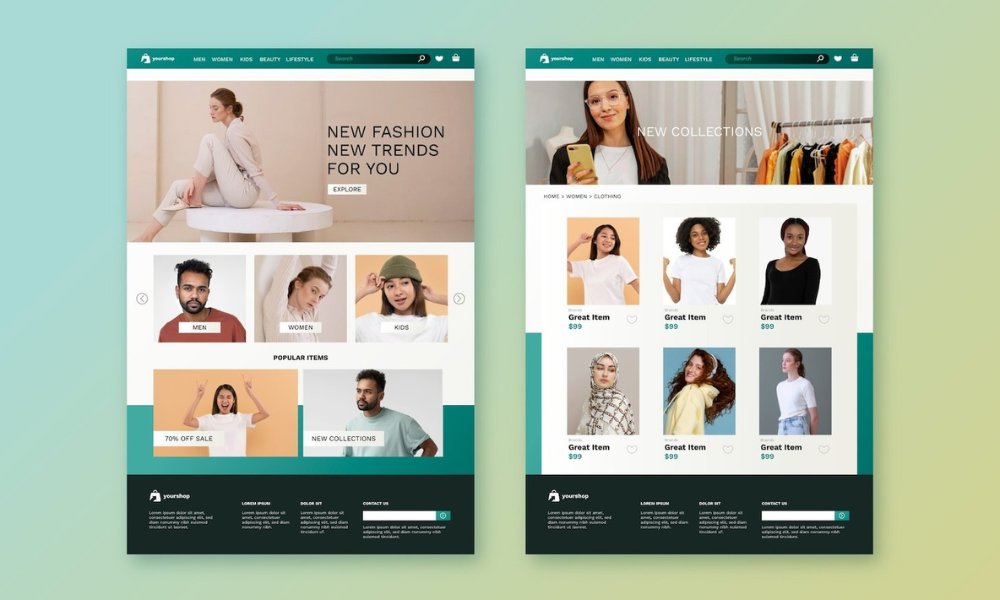
Choosing the right website structure is an important decision for any small business. Many owners and freelancers struggle to decide between a one-page website and a multi-page website, unsure which option will best support their goals.
The truth is that both formats can work well. The better choice depends on how much information you need to share and how customers interact with your business.
The Common Problem: Too Much or Too Little Information
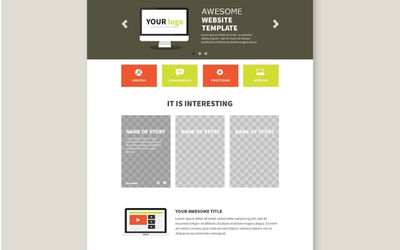
Some websites overwhelm visitors with too many pages, while others provide too little detail. When customers cannot quickly understand what you offer, they are more likely to leave.
The challenge is finding a structure that:
-
Communicates clearly
-
Feels easy to navigate
-
Supports trust and credibility
This is where understanding the difference between one-page and multi-page websites matters.
Understanding One-Page Websites

A one-page website presents all key information on a single scrolling page. Visitors move through sections such as services, background, and contact details without clicking through multiple pages.
One-page websites are often ideal when:
-
Your business offers one main service
-
You want a simple, guided user experience
-
You prefer minimal content management
This format works especially well on mobile devices and keeps messaging focused.
Understanding Multi-Page Websites
A multi-page website separates information into dedicated pages, such as services, about, and contact sections. This structure allows more detailed explanations and content organization.
Multi-page websites are better suited when:
-
You offer multiple services
-
You want to target different topics or locations
-
Your business is growing and expanding
This format gives each topic space to stand on its own.
How Website Structure Impacts Business Value
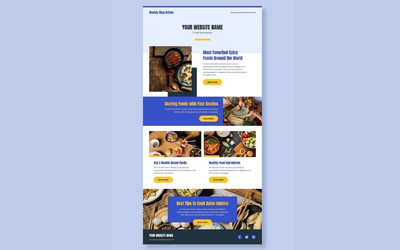
Website structure affects how visitors perceive your business. A clear structure helps build confidence and makes it easier for customers to take action.
Both one-page and multi-page websites can deliver value when they:
-
Are easy to navigate
-
Load quickly
-
Work well on mobile devices
-
Present information clearly
The key is matching the structure to your business needs rather than choosing based on trends.
Making the Right Choice for Your Business
If your goal is simplicity and speed, a one-page website may be the best starting point. If your business requires more explanation and flexibility, a multi-page website may serve you better.
There is no universal answer. The right website is the one that helps customers understand your business quickly and encourages them to get in touch.
Frequently Asked Questions
1. What is the main difference between a one-page and multi-page website?
A one-page website displays all content on a single scrolling page, while a multi-page website separates content across multiple pages.
2. Is a one-page website suitable for small businesses?
Yes, one-page websites are suitable for small businesses with a focused offering and a need for simple, clear communication.
3. Do multi-page websites help with search visibility?
Yes, multi-page websites allow businesses to organize content by topic, which can support broader search visibility.
4. Can I switch from a one-page website to a multi-page website later?
Yes, many businesses start with a one-page website and expand to a multi-page structure as their needs grow.
5. Which website type is better for freelancers?
Freelancers often benefit from one-page websites, but multi-page websites work well if they offer multiple services or detailed portfolios.